• The meeting discusses mechanisms for implementing the presidential directives regarding linking academic programs with labor market needs.
• The Council approves the formation of a higher committee to develop a vision for the future map of the labor market.
• The Council approves the formation of a committee in each university, chaired by the university president and including representatives from all sectors, to follow up on linking academic specializations with labor market needs.
• Sector committees of the Supreme Council of Universities will follow up on updating academic regulations in accordance with the future labor market map.
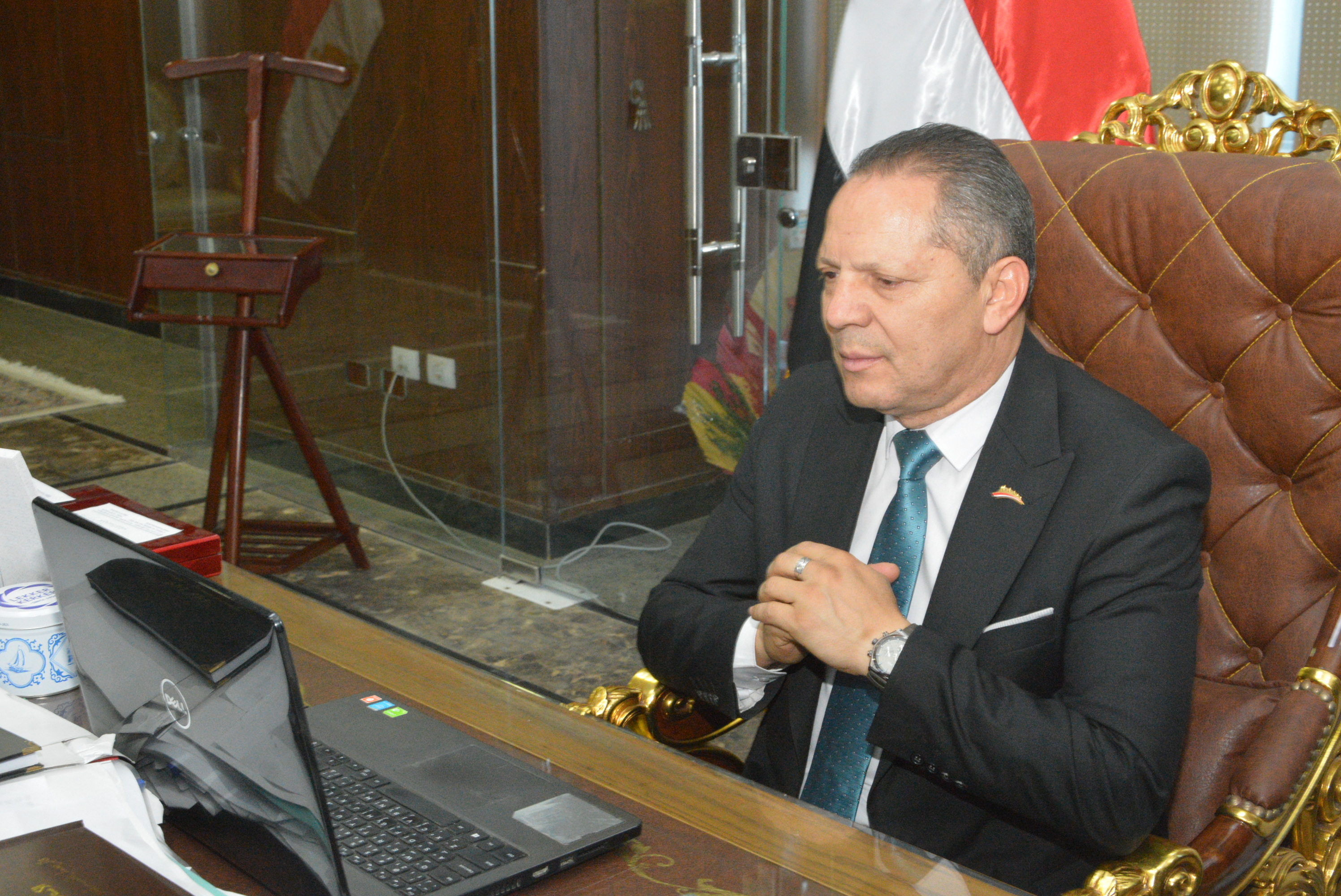
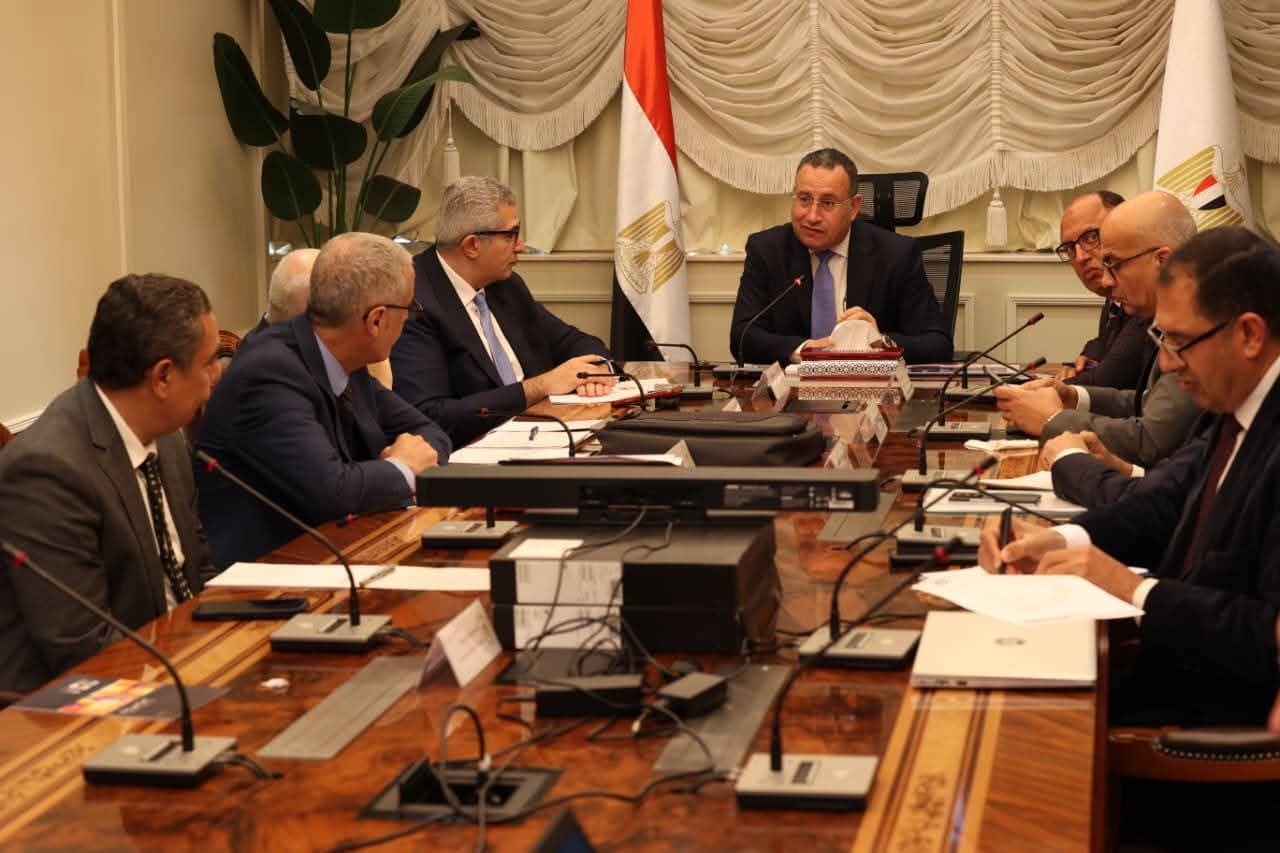
Professor Dr. Hemdan Rabie Al-Metwally, President of Damietta University, participated via video conference in an emergency meeting of the Supreme Council of Universities, chaired by Professor Abdelaziz Konsowa, Minister of Higher Education and Scientific Research, to discuss mechanisms for implementing presidential directives on linking university academic programs with the needs of the labor market at the local, regional, and international levels.
During the meeting, the Minister of Higher Education and Scientific Research expressed his appreciation to President Abdel Fattah El-Sisi, President of the Republic, for his continuous interest in developing the higher education system in Egypt. He also highlighted the President’s close follow-up on global developments in higher education and the importance of linking education with labor market needs. In addition, the President emphasized the quality of the higher education system and its role in developing the skills and competencies of graduates from Egyptian universities across all disciplines and tracks, enabling them to compete in local, regional, and international labor markets in line with the rapid and continuous changes taking place in the job market.
The Minister of Higher Education also directed the preparation of a comprehensive study on the labor market map at the local, regional, and international levels, in cooperation with various relevant entities.
The Council listened to the Minister’s vision regarding the executive mechanisms for completing all required studies within a maximum period of three months.
Dr. Adel Abdel Ghaffar, the official spokesperson for the Ministry of Higher Education and Scientific Research, stated that the Council approved the formation of a Higher Committee chaired by Professor El-Sayed Abdel-Khaleq, former Minister of Higher Education and Scientific Research, and including a number of senior experts from various academic disciplines. The committee is expected to complete its work within a maximum period of three months and will undertake the following tasks:
Reviewing existing academic programs and specializations and assessing their compatibility with labor market needs locally, regionally, and internationally.
Analyzing employment indicators for university graduates and identifying gaps between educational outcomes and labor market requirements.
Proposing the development and updating of academic regulations and programs in line with technological and economic developments.
Studying the introduction of new programs and specializations, especially in interdisciplinary and advanced technological fields.
Proposing the restructuring or merging of programs and specializations that no longer meet labor market needs.
Enhancing partnerships between universities and business sectors in various fields.
Developing short- and medium-term plans to train students currently enrolled in these programs to better connect them with the labor market.
The official spokesperson added that the Council also approved the formation of a committee in each university, chaired by the university president and including the Vice President for Education and Student Affairs, as well as several experts from within and outside the university. The executive committee will be responsible for the following:
Overall supervision of the implementation of the outcomes of the Higher Committee’s reports and the plans approved within the university.
Coordination among various sectors and relevant internal and external entities to achieve the set objectives.
Preparing comprehensive periodic reviews and reports on academic programs to ensure their continued alignment with scientific developments and labor market needs.
Establishing an annual Graduate Employability Index at the level of academic programs. This will particularly include activating the activities of alumni units at the university, measuring graduate employment rates within one year of graduation, assessing the alignment of jobs with academic specializations, and evaluating employers’ assessment of graduates’ skills.
Carrying out any additional tasks assigned by the Higher Committee.
The university president may also form sub-committees from the executive committee within the faculties or institutes affiliated with the university to perform specific tasks assigned to them and to prepare periodic reports to be submitted to the executive committee.
The meeting emphasized that linking academic programs with the local, regional, and international labor markets will be a top priority for the higher education system in all its tracks during the coming period. Periodic reports will be prepared on the progress achieved, in addition to establishing a regular evaluation mechanism to assess what has been accomplished across all universities in this regard.



 English
  عربي
عربي Française
 Español